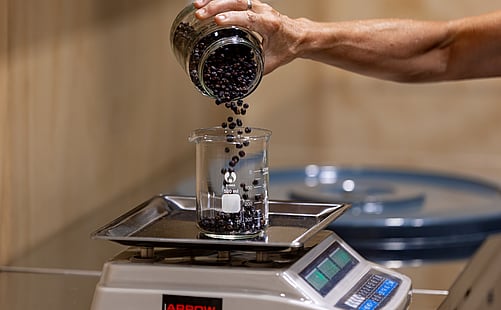
The Story Behind Juniper, Botanicals, and Flavour
Take a sip of gin and you'll probably notice it straight away.
That unmistakable piney, fresh, slightly citrusy flavour that somehow tastes like a walk through a forest and a cocktail bar at the same time.
But have you ever stopped to wonder why gin tastes like gin?
The answer lies in a fascinating combination of history, plants, chemistry and distillation. While every gin is different, there is one ingredient that gives gin its identity and sets it apart from every other spirit on the shelf.
It All Starts With Juniper
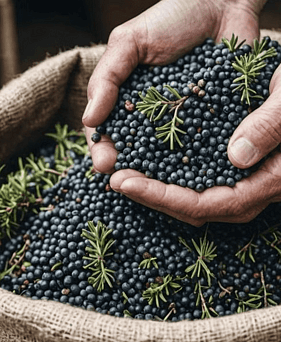
By law, gin must have juniper berries in it.
Without juniper, it simply isn't gin.
Juniper berries are actually seed cones from the juniper plant and contain aromatic oils that create the distinctive and characteristic flavour profile people associate with gin. These oils deliver notes often described as:
Pine
Evergreen
Pungent
Citrus
Fresh herbs
When distilled, these flavours become concentrated and create the backbone of the spirit.
Botanicals Create Complexity
If juniper is the backbone of gin, botanicals are what make every gin unique.
A botanical is simply a plant ingredient used during distillation to add flavour and aroma. Common botanicals include:
Coriander seed
Orris root
Angelica root
Citrus peel
Cardamom
Cinnamon
Lavender
Native herbs and spices
Each botanical contributes different flavour compounds.
Coriander often adds bright citrus notes.
Orris root helps bind flavours together, keeps the flavour in the gin, and provides a subtle floral character.
Citrus peels contribute freshness and lift.
Spices add warmth and complexity.
The exact balance of these botanicals, some would argue, is one of the most closely guarded secrets of many distilleries. Easy to add, but hard to get right.
Why Doesn't Gin Taste Sweet?
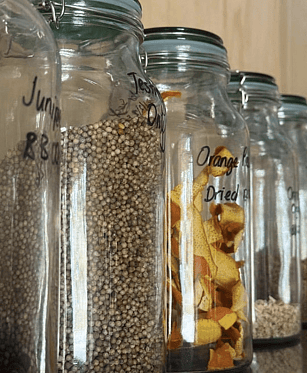
Many people are surprised to learn that gin contains very little sugar, and often none at all. There is certainly none added in Straight Up Carrot Gin. Natural sweetness coming from the dried orange peel and an earthy sweetness from the carrots.
The perception of sweetness usually comes from aromatic compounds extracted during distillation. Citrus oils, spice notes and certain botanicals such as liquorice root can create the impression of sweetness without actually adding sugar.
That's one reason a well-made gin can taste smooth and rounded while remaining completely dry.
The Distillation Process Matters
The way botanicals are distilled has an impact on flavour.
Some distillers macerate botanicals directly in the spirit before distillation. Others suspend them in a basket so vapour passes through and gently extracts flavour.
Small changes in temperature, timing and botanical placement can alter the final result.
This is where distilling becomes both a science and an art. Distillers also employ their sensory powers to determine what flavours make up their final product.
Why Does One Gin Taste Different From Another?
Not all gin tastes the same, even though the familiar gin character might shine through.
A London Dry style may be crisp, juniper-forward, and citrus driven.
A contemporary gin might showcase native botanicals, floral notes or unusual ingredients.
Some gins lean heavily into spice. Others focus on fruit, herbs or earthier flavours.
The beauty of gin is that while juniper remains the defining characteristic, distillers have enormous freedom to create something distinctive.
The Role of Water
Water plays an important role in the finished spirit.
After distillation, gin is typically diluted to bottling strength using water. The mineral profile and purity of that water can subtly influence texture, mouthfeel and the way flavours are perceived on the palate.
This is one reason many distilleries place great importance on their local water source. Alpine water drawn from Mt Ruapehu is another reason Straight Up Carrot Gin reflects its provenance and signature smooth mouthfeel.
Why We Love Gin
Gin has survived centuries of changing tastes because it sits at the perfect intersection of tradition and creativity.
It honours a style that dates back hundreds of years while allowing distillers to experiment with local ingredients, unique botanicals and regional flavours.
Every bottle tells a story. Every recipe reflects a place.
And every distiller has their own interpretation of what makes a great gin. Straight Up Carrot Gin is another example adding to the rich tapestry of New Zealand gins.
Frequently Asked Questions
What ingredient makes gin taste like gin?
Juniper is the defining ingredient that gives gin its characteristic flavour. Without juniper, a spirit cannot legally be called gin.
Why does gin taste like pine trees?
Juniper contains natural aromatic compounds called terpenes, which create the piney, resinous flavour many people associate with gin.
Is gin sweeter than vodka?
Generally no. Most gin contains little or no sugar. The perception of sweetness comes from botanical aromas rather than added sugar.
Why do different gins taste so different?
Different botanical recipes, distillation methods, water sources and production techniques all contribute to variations in flavour.
What are botanicals in gin?
Botanicals are plant ingredients such as juniper, coriander, citrus peel, roots, herbs and spices that contribute flavour and aroma during distillation.
The Final Pour
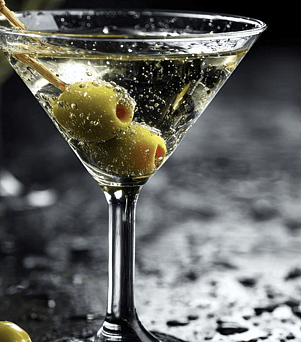
The next time you enjoy a gin and tonic or sip a gin neat, take a moment to appreciate what you're tasting.
The piney freshness comes from juniper.
The layers of citrus, spice, herbs and florals come from carefully selected botanicals.
And the smooth finish comes from the skill of the distiller bringing everything together.
That's why gin tastes like gin.
Not because of a single ingredient, but because of hundreds of years of tradition, a remarkable collection of botanicals, and a little bit of distilling magic. To find out more you can always book a tour at Ruapehu Distillery.