Sly Grog
If you’re exploring things to do in Ohakune, you’ll find adventure everywhere; breathtaking mountain views, biking, hiking trails, including the famous Tongariro Crossing, skiing, boarding and a thriving local food, beverage, and spirits scene.
But long before tourism and ski fields, Ohakune had a different kind of reputation.
At the turn of the 20th century, this railway town became part of the wider King Country sly grog culture. A time when alcohol was officially restricted, yet quietly flowed through the settlement anyway.
A Town Built on Rail, Timber, Grit and Determination
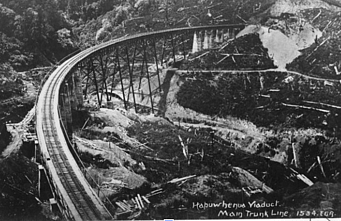
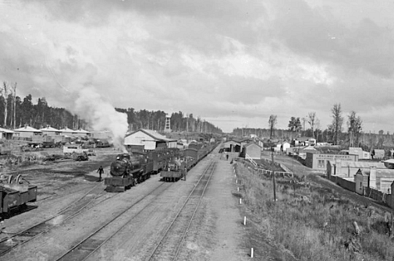
Early Ohakune grew rapidly during construction of the North Island Main Trunk railway. Workers arrived from across New Zealand to build tracks, mill timber, and carve a town from the bush.
Life was tough, the environment remote, and the work relentless. However, the social life often centred around a drink at the end of the day.
Historical records and local histories describe Ohakune as a lively place shaped by workers and the early railway life, saw milling, market gardening, and farming.
When Cordial Shops Weren’t Just About Sweet Cordial Beverages
As large parts of the King Country operated under alcohol restrictions during this period, alcohol couldn’t be openly sold. Instead, informal suppliers emerged who were commonly known as sly groggers.
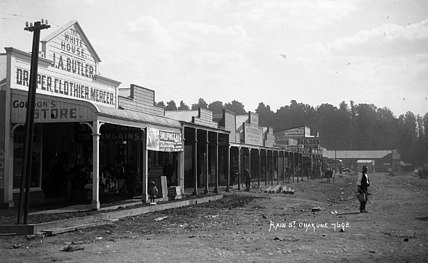
Some small stores and cordial shops were said to operate as respectable daytime businesses, while trusted customers knew there might be something stronger available after hours. Hidden sales, back-room pours, and quiet local knowledge became part of the region’s folklore.
Records from the era show repeated attempts to crack down on sly grog selling, including undercover investigations and prosecutions and proof that the trade was persistent despite heavy fines.
On one such occasion, Mr Brinson’s Cordial Shop specialised in hop beer from the 'ever genial Fred’. Unfortunately, ‘Fred’ ran foul of the law and was charged with keeping booze for sale. Police discovered 20 bottles of whiskey in the cellar and reported drunk men often exiting from the building. Charges meant months in the Whanganui jail with hard labour.
The Spirit of Early Ohakune
Whether fact, folklore or somewhere in between, the stories reveal something important about Ohakune:
resourceful people
a strong sense of community
adaptability in a harsh environment
a little rebellious energy that still feels familiar today
That mindset helped shape the identity of Ohakune and arguably laid the foundations for today’s creative food and beverage culture. With the likes of Ruapehu Brewing and Big Mountain Mead, Ruapehu Distillery is now an added bonus to the beverage precinct of Ohakune. Institutional restaurants and bars such as The Kitchen, The Pizzeria, and The Powderkeg, Kings Mountain Rocks, Franks and newbies such as No 8 Restaurant and Bar, and even The Hungry Rush, are all adding to a vibrant eating and drinking culture.
From Sly Grog to Craft Spirits
Modern Ohakune is very different but the spirit remains.
Today, visitors come for adventure, experiences, biking, hiking, snow sports, fishing etc, not to mention the local flavour, all beneath the slopes of Mt Ruapehu.
Now the rise of Ruapehu Distillery is adding to that compelling history, offering Straight Up Carrot Gin as its first release; the unlikely hero and Ohakune’s iconic carrot featuring as its main botanical along with Horopito, New Zealand’s native pepper tree. Tours and tastings are now available intertwined with a piece of the local history.
The story of Ohakune continues to revolve around people creating something unique in an extraordinary place.
Sources & Further Reading
This article draws on historical accounts and regional research, including the compelling book:
Ohakune: The Opening to a New World by Merrilyn George. A fantastic local history documenting early settlement, the sacred and cultural importance of Mount Ruapehu to iwi, railway construction, and social life in the district.
National Library of New Zealand (early 1900s newspaper reports on King Country prohibition and sly grog prosecutions).
Te Ara – The Encyclopedia of New Zealand (background on King Country alcohol restrictions and social history).
These sources provide valuable insight into how prohibition-era laws shaped everyday life in central North Island communities.